
Tree Maintenance Tips for Columbus Properties Throughout the SeasonsTrees are one of the most valuable features of residential and commercial properties in Columbus, Ohio. They provide shade, improve curb appeal, increase property value, support local wildlife, and create healthier outdoor environments. Whether lining neighborhood streets or enhancing backyard landscapes, healthy trees contribute significantly to the beauty and comfort of properties throughout the city. 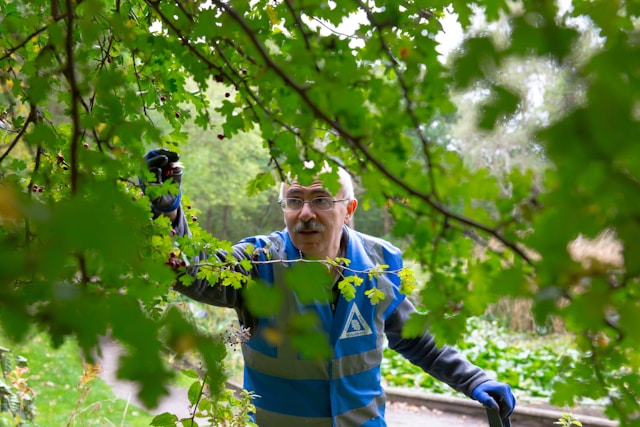 However, maintaining trees in Ohio requires year-round attention. Columbus experiences a wide range of seasonal weather conditions, including freezing winters, rainy springs, hot summers, and windy autumns. Each season presents unique challenges that can affect tree health, stability, and appearance. Without proper care, trees may become vulnerable to disease, storm damage, pest infestations, and structural problems. Understanding how to care for trees throughout the year can help homeowners protect their landscapes and extend the lifespan of their trees. Seasonal maintenance not only improves tree health but also reduces safety risks and costly emergency removals. Why Year-Round Tree Maintenance MattersMany property owners only think about tree care when a branch falls or a storm causes damage. However, consistent maintenance is one of the most effective ways to prevent major problems before they occur. Trees are living organisms that respond to environmental changes throughout the year. Temperature fluctuations, moisture levels, seasonal growth cycles, and severe weather all influence tree health. Regular maintenance allows homeowners to monitor these changes and address issues early. Healthy trees are more resistant to pests, disease, drought stress, and storm damage. They also develop stronger branch structures and more balanced growth patterns. By following seasonal maintenance practices, Columbus property owners can improve both the safety and appearance of their landscapes. Spring Tree Maintenance TipsSpring is one of the most important seasons for tree care in Columbus. As temperatures rise and trees emerge from winter dormancy, this is the ideal time to inspect for damage and encourage healthy growth. Inspect for Winter DamageOhio winters can be harsh on trees. Snow, ice, freezing temperatures, and winter storms often leave behind broken branches, cracked limbs, or weakened trunks. At the beginning of spring, property owners should carefully inspect trees for:
Removing damaged limbs early helps prevent further problems and encourages healthy spring growth. Prune Dead or Weak BranchesSpring pruning is beneficial for removing dead, diseased, or weak branches that developed during winter. Proper pruning improves airflow, sunlight penetration, and structural balance. However, excessive pruning should be avoided during periods of rapid growth. Professional arborists can determine the appropriate amount of trimming needed for different tree species. Mulch Around Tree BasesApplying mulch around the base of trees helps retain soil moisture, regulate temperature, and reduce weed growth. Organic mulch also improves soil quality over time as it decomposes. Mulch should be spread evenly around the root zone but kept several inches away from the trunk to prevent moisture buildup and decay. Check Soil MoistureSpring rains often provide natural hydration, but newly planted or younger trees may still require supplemental watering. Monitoring soil moisture helps prevent both underwatering and overwatering. Healthy roots are essential for strong growth throughout the rest of the year. Summer Tree Maintenance TipsSummer in Columbus brings warmer temperatures, occasional drought conditions, and thunderstorms. Trees require additional attention during this season to remain healthy and hydrated. Water Trees ProperlyDuring hot summer months, trees may experience heat stress if they do not receive adequate water. Mature trees generally require deep watering rather than frequent shallow watering. Watering deeply encourages roots to grow farther into the soil, improving drought resistance and stability. Newly planted trees often need more frequent watering because their root systems are still developing. Monitor for Pests and DiseaseWarm weather increases insect activity and creates favorable conditions for certain tree diseases. Homeowners should inspect trees regularly for signs of infestations or infection. Common warning signs include:
In Columbus, pests such as emerald ash borers, aphids, and beetles can cause significant damage if not addressed early. Professional evaluations can help identify problems before they spread. Trim Hazardous BranchesSummer storms often bring strong winds, lightning, and heavy rain. Weak or overgrown branches may become dangerous during severe weather. Light pruning can help remove hazardous limbs and reduce storm-related risks. However, excessive trimming during extreme heat should generally be avoided because it can stress the tree. Protect Trees from Lawn EquipmentDamage from lawnmowers and string trimmers is a common but preventable problem. Repeated injuries to the bark can expose trees to pests, disease, and decay. Using mulch rings around the base of trees helps protect trunks from accidental equipment damage. Fall Tree Maintenance TipsFall is an important transition period for trees in Columbus. As temperatures cool and growth slows, trees begin preparing for winter dormancy. Remove Dead or Diseased LimbsAutumn is a good time to prune dead, damaged, or diseased branches before winter storms arrive. Removing weak limbs helps reduce the risk of snow and ice damage later in the season. Fall pruning also improves tree structure and prepares trees for healthy spring growth. Clean Up Fallen LeavesWhile fallen leaves can provide natural nutrients when composted properly, excessive leaf buildup may contribute to fungal growth and pest activity. Cleaning leaves from lawns, gutters, and around tree bases helps maintain healthier landscapes and improves drainage during wet weather. Fertilize When NecessarySome trees benefit from fall fertilization, especially if soil nutrient levels are low. Fertilizing before winter allows roots to absorb nutrients and store energy for spring growth. However, fertilization schedules vary depending on tree species and soil conditions. Professional guidance can help determine whether fertilization is appropriate. Prepare Young Trees for WinterYounger trees are more vulnerable to winter damage than mature trees. Protective wraps or guards can help shield trunks from freezing temperatures, sunscald, and animal damage during colder months. Proper staking may also help support young trees against strong winds. Winter Tree Maintenance TipsAlthough trees are dormant during winter, maintenance remains important throughout the colder months. Inspect for Ice and Snow DamageHeavy snow and ice accumulation can place significant stress on branches. Homeowners should monitor trees after winter storms for signs of breakage or structural damage. Attempting to remove ice from branches forcefully can cause additional harm. In many cases, it is safer to allow ice to melt naturally. Schedule Professional PruningWinter is often considered one of the best times for major pruning projects because many trees are dormant. Without leaves, arborists can evaluate branch structure more clearly and make precise cuts that encourage healthy future growth. Dormant-season pruning also reduces stress and minimizes disease transmission for certain tree species. Monitor Tree StabilityFrozen soil and winter storms may expose root instability or leaning trees. Trees showing signs of structural weakness should be evaluated before spring storms arrive. Addressing problems early helps prevent emergency situations later. Avoid Excess Salt ExposureRoad salt and deicing chemicals can damage trees by affecting soil quality and root health. Whenever possible, homeowners should minimize salt exposure near landscaped areas. Using alternative deicing products or creating barriers can help protect nearby vegetation. The Importance of Regular Tree InspectionsSeasonal inspections are one of the most valuable aspects of tree maintenance. Many tree problems develop gradually and may not be immediately visible to untrained property owners. Professional arborists can identify:
Routine inspections allow issues to be corrected before they become expensive or dangerous. For Columbus properties, annual evaluations are especially important because changing weather conditions can rapidly affect tree health throughout the year. Common Tree Problems in ColumbusSeveral issues commonly affect trees in the Columbus area. Storm DamageThunderstorms, strong winds, and heavy snow frequently damage branches and weaken tree structures. Fungal DiseasesWet conditions during spring and fall can contribute to fungal infections, especially when airflow is limited. Pest InfestationsInvasive insects such as emerald ash borers have caused widespread damage to Ohio trees in recent years. Soil CompactionUrban and suburban development often compacts soil, limiting root growth and reducing oxygen availability. Improper PruningIncorrect pruning techniques can weaken trees and create long-term structural issues. Professional maintenance helps address these problems more effectively. The Benefits of Professional Tree CareWhile homeowners can perform basic maintenance tasks, professional tree care services provide additional expertise and safety. Experienced professionals understand:
Tree work can also involve significant safety risks, especially when climbing large trees or working near power lines. Professional arborists use specialized equipment and follow safety standards to complete work efficiently and safely. Tree Maintenance and Property ValueHealthy trees can significantly improve property value and curb appeal. Well-maintained landscapes create stronger first impressions and contribute to more attractive neighborhoods. Mature shade trees may also reduce cooling costs during summer by lowering surrounding temperatures. On the other hand, neglected trees can create safety hazards and reduce the overall appearance of the property. Dead limbs, leaning trunks, and overgrown branches may discourage potential buyers and increase liability concerns. Investing in regular tree maintenance helps preserve both the beauty and long-term value of Columbus properties. ConclusionTrees are valuable assets that require consistent care throughout the year. In Columbus, Ohio, changing seasonal conditions create unique challenges that can affect tree health, stability, and appearance. By following seasonal maintenance practices such as pruning, watering, mulching, inspections, and pest monitoring, property owners can help trees remain healthy and resilient year-round. Proactive care not only improves the appearance of landscapes but also reduces safety risks and costly emergency repairs. Professional tree care services provide additional expertise that helps homeowners address problems early and maintain healthier outdoor environments. With proper year-round maintenance, trees can continue enhancing Columbus properties for generations to come. |
|