
Tree Removal in Columbus, Ohio: When It’s Time to Remove a Dangerous TreeTrees are an important part of residential and commercial landscapes throughout Columbus, Ohio. They provide shade, improve curb appeal, increase property value, and contribute to a healthier environment. Mature trees can also create a sense of beauty and character that enhances neighborhoods across the city. However, while trees offer many benefits, there are times when they become dangerous and need to be removed. 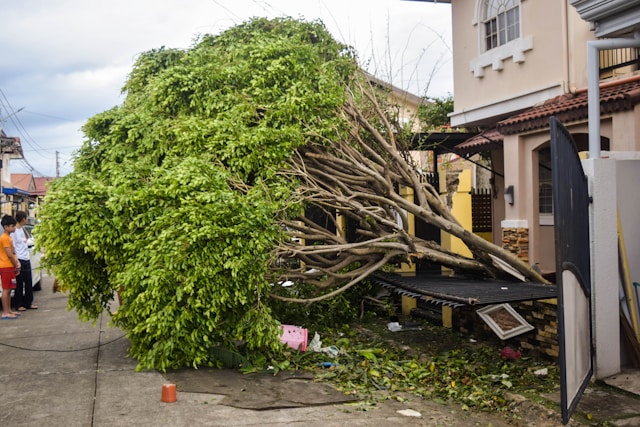 A damaged, diseased, or unstable tree can pose serious risks to homes, vehicles, power lines, and personal safety. In some situations, delaying tree removal may lead to costly property damage or emergency situations, especially during Ohio’s severe storms and winter weather conditions. Understanding the warning signs of a dangerous tree can help homeowners take action before a problem becomes more serious. Tree removal is not always the first solution, and healthy trees should be preserved whenever possible. However, when a tree becomes structurally unsafe or threatens nearby property, professional removal may be the safest and most responsible option. Why Dangerous Trees Are a Serious Concern in ColumbusColumbus experiences a variety of weather conditions throughout the year, including thunderstorms, high winds, snow, ice, and heavy rain. These changing weather patterns can place significant stress on trees, especially older or weakened ones. Storms can cause large branches to snap unexpectedly or even uproot entire trees. Winter ice accumulation may increase branch weight and lead to breakage, while strong winds during severe storms can expose hidden structural weaknesses. Trees growing near homes, driveways, sidewalks, or utility lines create additional concerns when they become unstable. In urban and suburban areas, even a single falling branch can result in expensive repairs or serious injuries. Because of these risks, property owners should regularly monitor tree health and address warning signs as early as possible. Signs a Tree May Need to Be RemovedNot every damaged tree requires complete removal, but certain conditions indicate that a tree may no longer be safe. Recognizing these signs early can help prevent accidents and minimize property damage. Large Dead BranchesDead branches are one of the most common indicators of tree decline. Branches that no longer produce leaves or appear dry and brittle may eventually fall without warning. Large dead limbs hanging over roofs, driveways, or walkways are especially dangerous because they can break during storms or windy conditions. While some dead branches can be removed through trimming, widespread branch death may indicate the entire tree is failing. Cracks in the TrunkDeep cracks or splits in the trunk often signal structural weakness. These cracks can develop from storm damage, disease, age, or rapid temperature changes. A cracked trunk may no longer support the weight of the tree properly, increasing the risk of sudden collapse. In many cases, large trunk splits require professional evaluation to determine whether removal is necessary. Leaning TreesSome trees naturally grow at slight angles, but a tree that suddenly begins leaning may indicate root instability or structural failure. Leaning trees become particularly dangerous after storms or heavy rainfall because weakened roots may no longer anchor the tree securely. Soil movement around the base, exposed roots, or visible lifting on one side are signs that immediate attention may be needed. Hollow or Decayed AreasHollow sections inside a tree trunk can weaken its internal structure. While some trees survive with minor hollow areas, extensive decay significantly increases the likelihood of collapse. Fungal growth, soft wood, cavities, or crumbling bark may indicate internal rot. Because decay often spreads from the inside outward, a tree may appear healthy externally while being structurally unstable internally. Root DamageTree roots provide stability and absorb nutrients necessary for growth. Construction projects, excavation, soil compaction, and erosion can all damage root systems. A tree with severe root damage may become unstable even if the trunk and branches appear healthy. Signs of root problems may include thinning leaves, leaning, cracked soil around the base, or reduced growth. Disease and Pest InfestationsDiseases and insect infestations can weaken trees over time. In Ohio, common tree problems include fungal diseases, borers, emerald ash borers, and root rot. Infected trees often display symptoms such as discolored leaves, peeling bark, dead branches, or unusual growth patterns. If the damage becomes severe, the tree may no longer recover and could require removal for safety reasons. The Risks of Delaying Tree RemovalMany homeowners postpone tree removal because they hope the tree will recover or because the damage does not seem urgent. However, waiting too long can create significant risks. Property DamageA falling tree or branch can damage roofs, windows, vehicles, fences, sheds, and outdoor structures. Storm-related tree damage often results in costly repairs that could have been prevented with earlier action. Personal InjuryUnstable trees can create serious safety hazards for family members, visitors, pedestrians, and neighbors. Falling limbs can cause severe injuries, especially during storms or high winds. Utility Line DamageTrees growing near power lines may interfere with electrical systems if branches break or fall. Downed power lines can create dangerous situations, including fire hazards and power outages. Increased Removal CostsEmergency tree removal is often more expensive than scheduled maintenance. Trees that collapse unexpectedly may require urgent cleanup, specialized equipment, or additional repairs to surrounding property. Removing a dangerous tree before it becomes an emergency is usually safer and more cost-effective. Storm Damage and Emergency Tree RemovalSevere weather is one of the leading causes of dangerous trees in Columbus. Thunderstorms, tornado warnings, ice storms, and heavy snowfall can all weaken or damage trees unexpectedly. After a storm, homeowners should inspect their property carefully for signs of tree damage. Hanging branches, split trunks, leaning trees, or uprooted roots may require immediate professional attention. Emergency tree removal services are often necessary when a tree falls onto a structure, blocks access points, or threatens nearby property. Because damaged trees can become unstable after storms, homeowners should avoid attempting dangerous removals themselves. Professional crews use specialized equipment and safety procedures to handle emergency situations safely. When Tree Trimming Is Not EnoughIn some cases, homeowners hope trimming alone can save a dangerous tree. While pruning can remove dead or damaged branches, it cannot always correct serious structural problems. A tree may still require removal if:
Professional arborists can evaluate the condition of the tree and recommend whether trimming, treatment, or removal is the safest option. The Importance of Professional Tree RemovalTree removal is a complex and potentially hazardous process. Large trees may weigh thousands of pounds, and improper removal techniques can result in injuries or property damage. Professional tree removal companies have the experience, equipment, and training necessary to remove trees safely and efficiently. They understand how to assess risks, control falling limbs, and protect nearby structures throughout the process. Professional crews also carry specialized tools such as chainsaws, cranes, rigging systems, and stump grinders that allow them to complete removals properly. Attempting to remove large trees without professional assistance can be extremely dangerous, especially near homes, power lines, or confined spaces. Tree Removal and Property ValueHealthy trees can increase property value, but dangerous or neglected trees often have the opposite effect. A dying or unstable tree may reduce curb appeal and create concerns for potential buyers. Visible tree damage may also raise questions about future repair costs or safety hazards. Removing hazardous trees can improve the appearance of the property while reducing liability concerns. In many cases, replacing a dangerous tree with a healthier species better suited for the location can improve the landscape long-term. Choosing the Right Tree Removal CompanyHomeowners in Columbus should choose experienced professionals when hiring a tree removal company. Proper licensing, insurance, and training are essential for safe and reliable work. A reputable company should provide:
Experienced tree professionals can also help homeowners determine whether a tree truly requires removal or if other treatment options are available. Preventing Future Tree ProblemsWhile some tree removals are unavoidable, proper maintenance can help reduce future risks. Regular inspections, pruning, watering, and disease management all contribute to healthier trees. Homeowners should monitor trees throughout the year for signs of decline or structural issues. Scheduling routine evaluations with professional arborists allows problems to be identified early before they become dangerous. Planting the right tree species in appropriate locations is also important. Trees placed too close to homes, sidewalks, or utility lines often develop problems as they mature. Long-term tree care planning helps create safer and healthier landscapes for residential properties throughout Columbus. Environmental ConsiderationsTree removal should always be approached responsibly because trees provide important environmental benefits. Healthy trees improve air quality, reduce heat, absorb stormwater, and support local wildlife. Whenever possible, preserving healthy trees is preferable to removal. However, when a tree becomes unsafe or unhealthy beyond recovery, removal may be necessary to protect surrounding property and nearby vegetation. In some situations, homeowners choose to plant replacement trees after removal to maintain environmental benefits and landscape beauty. ConclusionTrees are valuable assets for homes and properties throughout Columbus, Ohio, but dangerous trees should never be ignored. Structural damage, disease, dead branches, root problems, and storm-related weakening can all turn a once-healthy tree into a serious safety hazard. Recognizing the warning signs early allows homeowners to take preventive action before accidents or costly damage occur. While trimming and maintenance can solve many tree problems, some situations require complete removal to ensure safety. Professional tree removal services provide the experience, equipment, and expertise necessary to handle dangerous trees safely and efficiently. By addressing hazardous trees promptly and investing in regular tree care, homeowners can maintain safer, healthier, and more attractive landscapes for years to come. |
|