
Emergency Tree Removal in Columbus After Storm Damage: What Homeowners Should DoSevere storms are common in Columbus, Ohio, especially during spring and summer months when strong winds, heavy rain, and lightning can cause significant damage to trees and surrounding property. When a powerful storm hits, trees can break, split, or fall entirely, creating dangerous situations for homeowners and neighborhoods. 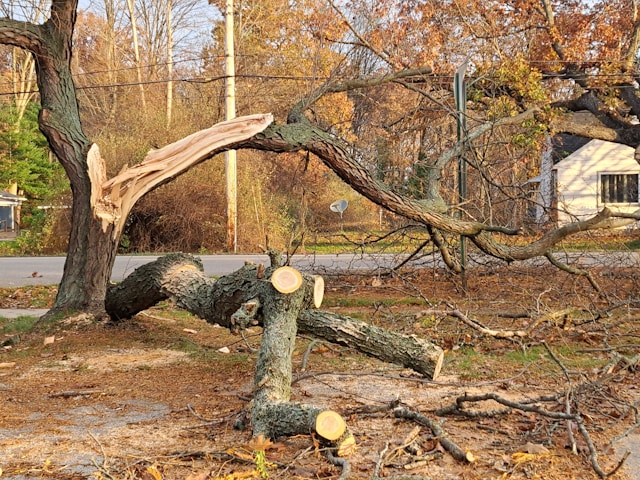 Emergency tree removal becomes necessary when damaged trees threaten homes, vehicles, power lines, or public safety. Knowing how to respond after storm damage can help homeowners protect their property, reduce risks, and restore their landscapes quickly. Professional companies such as Tree Service of Columbus Ohio specialize in emergency tree removal, storm cleanup, stump grinding, and tree care services. Their experienced crews understand how to safely remove hazardous trees while minimizing additional property damage. Understanding what to do after storm damage occurs can help homeowners respond effectively and avoid costly mistakes. Why Storms Cause Tree Damage in ColumbusColumbus experiences a wide range of weather conditions throughout the year. Thunderstorms, high winds, ice storms, and heavy snow can all place stress on trees. Strong winds are one of the leading causes of tree failure. When wind speeds increase dramatically, branches may snap or entire trees may be uprooted. Trees with shallow root systems or weakened trunks are especially vulnerable. Heavy rain can also loosen soil around tree roots, making it easier for trees to fall during storms. When saturated soil loses stability, trees lose the support needed to remain upright. Ice storms during winter create additional problems. Ice accumulation on branches adds significant weight, causing limbs to crack or collapse. In severe cases, entire trees may break under the pressure. Older trees, diseased trees, or trees that have not been properly maintained are much more likely to fail during extreme weather events. Immediate Safety Steps After a StormAfter a severe storm passes, safety should be the first priority. Downed trees and broken limbs can create dangerous conditions that require caution. Homeowners should begin by carefully inspecting their property from a safe distance. If large branches are hanging loosely or trees are leaning toward structures, it is best to avoid approaching the area. Power lines present one of the greatest hazards after storm damage. If a tree has fallen on electrical lines, homeowners should stay far away and contact local utility providers immediately. In situations where trees have fallen onto homes, garages, or vehicles, it is important to avoid attempting removal without professional assistance. Trees can shift unexpectedly, creating serious injury risks. Taking photos of the damage may also be helpful for insurance claims before any cleanup work begins. Common Types of Storm-Related Tree DamageStorm damage can affect trees in several ways. Understanding the type of damage helps determine whether emergency removal is required or if the tree can be saved. Broken branches are one of the most common forms of storm damage. High winds can snap large limbs, leaving them hanging dangerously over homes or walkways. Split trunks occur when wind pressure forces the trunk to crack vertically. This type of damage weakens the tree structure and often requires removal. Uprooted trees happen when strong winds pull the tree’s roots out of the ground. Once a tree is uprooted, it usually cannot be safely restored. Leaning trees may still appear standing, but their root systems may be severely damaged. These trees can fall without warning and should be inspected by professionals. Fallen trees that land on homes, fences, or vehicles often require specialized equipment to remove safely. When Emergency Tree Removal Is NecessaryNot every damaged tree needs to be removed immediately, but some situations require urgent action to prevent further harm. Emergency tree removal is typically required when a tree has fallen on a structure or is blocking access to a property. Trees that are leaning dangerously toward buildings or power lines may also require immediate attention. Trees with severely split trunks or exposed roots are unlikely to recover and may pose safety risks. Removing these trees quickly helps prevent additional damage during future storms. In some cases, large broken limbs may need to be removed before they fall unexpectedly. Even partially damaged trees can become hazardous if structural stability has been compromised. Professional arborists and tree service technicians can evaluate storm-damaged trees and determine the safest course of action. The Emergency Tree Removal ProcessEmergency tree removal requires specialized equipment, experience, and careful planning. Professional crews follow a systematic process to remove damaged trees safely. The first step is a detailed inspection of the damaged area. Technicians evaluate the position of the tree, nearby structures, and potential hazards. Next, safety zones are established to keep people away from the work area. This is especially important when heavy equipment or chainsaws are used. Large trees are typically removed in sections rather than all at once. Workers carefully cut branches and trunk sections to prevent uncontrolled falling. Cranes, rigging equipment, and specialized cutting tools may be used when trees are located close to buildings or power lines. After the tree is removed, crews often provide additional services such as stump grinding, debris removal, and site cleanup. Common Emergency Tree Services ProvidedAfter a storm, tree service companies often provide multiple types of services to restore properties quickly and safely.
These services help homeowners recover quickly after severe weather events. Why Professional Tree Removal Is ImportantTree removal may appear straightforward, but storm-damaged trees can behave unpredictably. Attempting to remove large trees without professional training can be extremely dangerous. Professional tree service crews use specialized equipment such as chainsaws, cranes, climbing gear, and safety harnesses to perform removal safely. Experienced technicians understand how to manage tree weight distribution and cutting angles to prevent uncontrolled falls. Another advantage of professional tree services is their ability to handle complex situations involving homes, fences, driveways, and other structures. Hiring professionals also helps prevent personal injury and costly property damage that may occur during DIY removal attempts. Preventing Future Storm DamageWhile storms cannot be prevented, proper tree maintenance can significantly reduce the risk of storm-related damage. Regular tree trimming removes weak, dead, or overgrown branches that are more likely to break during high winds. Pruning also improves the structural balance of trees. Routine tree inspections can identify signs of disease, decay, or root damage before storms occur. Early intervention can strengthen trees and prevent failures. Planting appropriate tree species is also important. Some trees are more resilient to wind and storms than others. Proper spacing between trees and structures can reduce the chance of trees falling on homes or power lines. Professional tree care services provide ongoing maintenance that helps keep trees healthy and structurally sound. The Role of Tree InspectionsTree inspections play an important role in identifying potential hazards before severe weather strikes. Certified arborists or experienced tree technicians evaluate several aspects of tree health, including trunk stability, root condition, branch strength, and signs of disease. Trees that show signs of internal decay, hollow trunks, or extensive pest damage may be at higher risk of falling during storms. Inspections also help determine whether trees require trimming, structural support, or removal. Homeowners who schedule regular tree inspections can reduce the likelihood of emergency situations during extreme weather events. Insurance and Storm Damage ClaimsWhen storm damage occurs, homeowners insurance policies may cover certain tree removal costs, especially if the tree has fallen on a structure. Insurance companies typically require documentation of the damage. Taking photos and contacting tree service professionals quickly can help support claims. Tree removal companies may also provide written estimates or inspection reports that assist with insurance documentation. However, coverage policies vary, and some insurance plans may only cover tree removal if the tree damages a building or blocks access to the home. Understanding insurance coverage before storms occur can help homeowners prepare for potential emergencies. Choosing a Reliable Emergency Tree ServiceSelecting the right tree service company is essential when dealing with storm damage. Emergency situations require experienced professionals who can respond quickly and work safely. Homeowners should look for companies that provide prompt response times, professional equipment, and knowledgeable crews. Tree Service of Columbus Ohio offers services including tree trimming, tree removal, stump grinding, site clearing, and complete tree care. Their team focuses on delivering fast inspections and estimates, often within 24 hours of a client’s call. Professional tree service providers also explain the removal process and cost structure clearly so homeowners understand what to expect. Working with a trusted company ensures that storm-damaged trees are handled safely and efficiently. Restoring Your Property After Storm DamageOnce damaged trees have been removed, homeowners can begin restoring their property. Storm cleanup often involves removing debris, repairing landscaping, and addressing any damage to structures. Stump grinding helps eliminate remaining tree stumps that may pose tripping hazards or interfere with landscaping plans. Site clearing services may also be needed when multiple trees or large areas of vegetation are affected. After cleanup is complete, homeowners may consider planting new trees or improving their landscape with proper spacing and maintenance planning. Restoring the yard after storm damage not only improves appearance but also ensures long-term safety and tree health. Final ThoughtsStorms can cause sudden and severe damage to trees, leaving homeowners facing hazardous situations that require immediate attention. Fallen trees, broken limbs, and leaning trunks can threaten property and personal safety if not addressed quickly. Emergency tree removal services provide the expertise and equipment necessary to manage storm damage safely. Professional crews can remove dangerous trees, clear debris, and restore properties while minimizing additional risks. For homeowners in Columbus, Ohio, understanding how to respond after a storm and maintaining healthy trees throughout the year can greatly reduce the likelihood of major damage. With proper tree care, regular inspections, and reliable emergency services, property owners can protect their homes, landscapes, and families when severe weather strikes. |
|