
Professional Tree Pruning Services in Columbus: Seasonal Care by Expert ArboristsWhen it comes to maintaining the health and aesthetics of your trees in Columbus, professional tree pruning services are crucial. Engaging certified Arborist Columbus Ohio, allows you to guarantee your trees receive expert care tailored to their unique needs. Seasonal tree pruning focuses on removing dead or diseased branches, promoting growth, and enhancing overall structure. This precision trimming not only improves the tree’s appearance but also reduces the risk of storm damage. Utilizing professional tree trimming in Columbus, Ohio, means you’re investing in the longevity and vigor of your landscape. Trusting skilled arborists guarantees that your trees are pruned at the right time, resulting in a robust and thriving environment, allowing your trees to flourish freely. 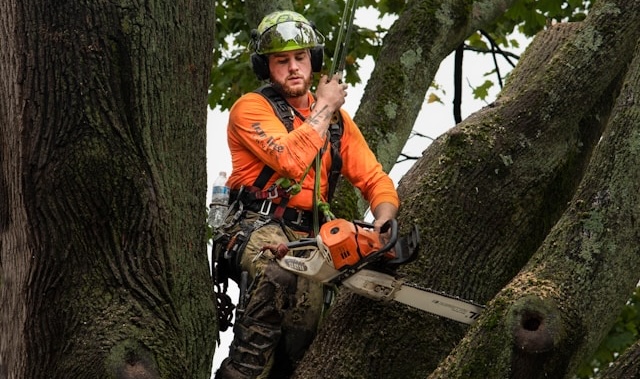 Overview of Professional Tree Pruning Services in Columbus, OhioProfessional tree pruning services in Columbus, Ohio, are vital for maintaining the health and beauty of your landscape. Utilizing expert arborist pruning services Columbus offers guarantees your trees receive the care they need at the right time. Seasonal tree pruning Columbus is important, as it promotes growth, removes dead or diseased branches, and enhances aesthetics, all while safeguarding the structural integrity of your trees. Local arborists are trained in the specific needs of various tree species found across Columbus, providing tailored tree maintenance Columbus Ohio that can withstand local weather conditions. By investing in professional pruning services, you not only support your trees’ health but also enhance your property’s overall appearance, ensuring your landscape flourishes for years to come. Tree Service Columbus Ohio Providing Certified Arborist Pruning ExpertiseCertified arborist pruning expertise is essential for ensuring the long-term health and vigor of trees in Columbus, Ohio. By hiring a qualified arborist in Columbus, Ohio, you gain access to specialized knowledge on proper tree pruning techniques that promote ideal growth while preventing disease and insect infestations. Tree pruning in Columbus, OH, isn’t just about aesthetics; it’s about structural integrity and importance. An experienced arborist understands the specific needs of different tree species, ensuring precise cuts that not only enhance your landscape but also contribute to the overall ecosystem. Engaging professional tree trimming services in Columbus, Ohio, guarantees that your trees receive the care they deserve, ultimately enhancing your property’s value and ensuring a lush, green environment for years to come. Importance of Seasonal Tree Pruning for Long-Term Tree HealthUnderstanding the importance of seasonal tree pruning is essential for maintaining the health and energy of your trees over time. In Ohio, winter tree pruning is crucial as it helps remove dead or diseased branches and promotes better air circulation. This not only improves the overall vitality of your trees but also decreases the risk of pest infestations. For specific tree types, like your fruit trees, timely fruit tree pruning in Columbus, OH, encourages healthier growth and can enhance fruit production. Additionally, crown thinning in Columbus, Ohio, allows sunlight to penetrate the canopy, fostering a more robust tree structure. By prioritizing these seasonal practices, you lay the groundwork for long-term tree health and resilience, ensuring your greenery thrives for years ahead. Winter Tree Pruning in Ohio for Optimal Structure and SafetyWhen tackling winter tree pruning in Ohio, homeowners can greatly enhance the structural integrity and safety of their trees. This season is ideal for removing dead, damaged, or crossing branches as trees are dormant, minimizing stress and reducing the risk of disease. Focus on a thorough inspection to identify weak points and potential hazards. Utilize proper pruning techniques, such as the three-cut method for larger branches, to prevent tearing. It’s important to make clean cuts, which promote faster healing and discourage pests. Additionally, balancing the canopy helps improve light penetration and air circulation, fostering a healthier environment. Overall, winter pruning not only guarantees the safety of your property but also lays the groundwork for robust growth in the warmer months. Spring and Summer Pruning for Growth Control and MaintenanceAfter winter pruning lays the groundwork for healthy growth, spring and summer pruning becomes essential for effective growth control and ongoing maintenance. During these seasons, you’ll want to focus on removing any dead, damaged, or diseased branches to promote vigor. You’re also encouraged to thin out overcrowded areas, which enhances air circulation and light penetration. This improves the overall health of your trees and encourages robust growth. Additionally, managing the tree’s height and shape through selective pruning helps maintain aesthetics and prevents hazardous situations. Regular upkeep not only fosters a flourishing environment but also minimizes potential risks. Ultimately, spring and summer pruning empowers you to take control of your landscape, ensuring your trees thrive with freedom and purpose. Certified Arborist Techniques for Safe and Effective PruningA certified arborist employs specific techniques to guarantee safe and effective pruning that promotes tree health and longevity. They carefully assess each tree’s structure and health, identifying dead or diseased branches needing removal. Using sharp, sterilized tools, they make clean cuts at the appropriate angles, minimizing injury to the tree. Instead of topping, which can harm growth patterns, arborists focus on targeted pruning that encourages natural shape and airflow. They also follow the three-cut method for larger branches, reducing the risk of bark tearing. By adhering to ANSI A300 standards, they confirm their work meets industry guidelines. This expertise not only conserves tree vitality but also enhances your landscape’s aesthetic appeal, allowing you the freedom to enjoy a thriving outdoor space. Crown Thinning and Crown Reduction for Balanced Tree StructureEngaging in crown thinning and crown reduction is essential for maintaining a balanced tree structure that promotes healthy growth. These techniques reduce excessive leaf density and improve light penetration, guaranteeing that all branches receive adequate sunlight. By selectively removing specific branches, crown thinning enhances airflow, which can help prevent pest infestations and diseases. In contrast, crown reduction focuses on maintaining the overall size of the tree while preserving its natural shape. This method involves shortening certain limbs, making the tree less susceptible to wind damage. Together, these practices support strong branch development and structural integrity, fostering a vibrant, well-proportioned tree. Consulting a certified arborist guarantees that these procedures are executed safely and effectively, leading to long-term tree health. Deadwood Removal to Prevent Disease and Improve Tree SafetyDeadwood removal is a crucial aspect of tree maintenance that directly impacts both tree safety and overall health. When you neglect deadwood, you’re allowing decaying branches to become a breeding ground for pests and diseases. These pathogens can weaken the tree’s structure over time, posing risks to surrounding property and individuals. By prioritizing deadwood removal, you enhance stability, reducing the chances of breakage during storms or high winds. Additionally, this practice promotes better air circulation and light penetration, creating a more conducive environment for healthy growth. Regularly inspecting your trees for deadwood and engaging professional arborists confirms that you’re proactively safeguarding your investment, while optimizing the longevity and energy of your trees. Take action and elevate your landscape’s health today! Tree Health Improvement Through Proper Branch ManagementProper branch management is essential for maintaining your trees’ health and structural integrity. By selectively pruning branches, you can enhance light penetration and air circulation, which are critical for photosynthesis and overall vigor. Focus on removing weak or crossing branches to prevent wounds that can invite pests and diseases. Employing proper cutting techniques, like making clean cuts at the branch collar, minimizes stress and promotes faster healing. Additionally, keeping your trees’ structure balanced helps to withstand wind and reduces the risk of breakage. Regularly evaluating your tree’s growth and adjusting as necessary allows you to respond to any emerging issues proactively, ensuring your trees remain robust, vibrant, and fully expressive of their natural beauty. Residential Tree Pruning for Safety, Curb Appeal, and HOA ComplianceWhen considering tree pruning for your residential landscape, safety, curb appeal, and HOA compliance should be at the forefront of your plans. Regular pruning helps remove hazardous branches that could fall or obstruct pathways, protecting your family and guests. Additionally, enhancing your home’s curb appeal through strategic trimming can increase property values. A well-maintained yard not only looks appealing but also reflects positively on you—a key factor for HOA compliance. Make certain to adhere to local regulations regarding tree height and aesthetic requirements to avoid fines. Partnering with experienced arborists guarantees the right pruning techniques are utilized, promoting healthier trees while achieving your landscape goals efficiently and sustainably. Prioritize these aspects for a thriving, safe environment around your home. Commercial Tree Pruning for Property Maintenance and Liability ReductionEffective commercial tree pruning is essential for maintaining your property’s aesthetics and minimizing liability risks. By prioritizing regular pruning, you can guarantee ideal tree health, reduce hazards from falling branches, and enhance visibility around your premises. Neglecting tree maintenance may lead to costly damage and potential accidents, putting both your property and visitors at risk. Professional arborists use specific pruning techniques to remove dead or diseased wood, shape trees, and improve air circulation. This proactive approach not only maintains your landscape’s appeal but also safeguards your investment. Additionally, well-maintained trees can reduce insurance liabilities by demonstrating your commitment to safety. Don’t leave your property vulnerable; engage commercial tree pruning services to protect your asset and create a welcoming environment. Fruit Tree Pruning Techniques for Increased Yield and ProductivityIn the growing season, understanding the right fruit tree pruning techniques can considerably enhance yield and productivity. Start by evaluating your tree’s structure, focusing on removing dead, diseased, or crossing branches. This encourages better air circulation and light penetration. Utilize the open-center technique for peach and plum trees; it fosters a vase-like shape, maximizing sunlight. For apple and pear trees, the central leader method works best, maintaining a strong vertical structure that supports fruit weight. Always cut at a 45-degree angle just above a bud to promote healthy growth. Don’t forget to thin out excessive fruit clusters, allowing remaining ones to develop fully. By executing these methods skillfully, you’ll nurture healthier trees and reap a bountiful harvest. Arborist Equipment and Safety Standards Used in Professional PruningProper arborist equipment is essential for guaranteeing safety and effectiveness during professional tree pruning. You’ll need high-quality tools like pruning shears, loppers, and pole saws, which help you target specific branches efficiently. Safety gear, including hard hats, gloves, and eye protection, is critical for shielding you from falling debris. Harnesses and climbing ropes are fundamental if you’re working at heights, helping to prevent accidents. Additionally, chainsaws require proper maintenance and personal protective equipment, like chainsaw chaps, to guard against injuries. Following ANSI Z133 safety standards guarantees you’re adhering to best practices, minimizing risks. By using the right equipment and safety measures, you can work confidently, knowing you’re prioritizing both your safety and the health of the trees you’re tending to. Seasonal Tree Stress Management Through Strategic MaintenanceHaving equipped yourself with the right tools and safety gear for pruning, attention now turns to maintaining tree health throughout the changing seasons. Seasonal stress can weaken trees, making strategic maintenance essential. During spring, focus on clearing debris and applying balanced fertilizers for growth support. In summer, monitor moisture levels; trees need consistent hydration to thrive. Fall is the perfect time for deep root watering and mulching to insulate roots against winter chill. Finally, winter requires careful pruning to eliminate damaged limbs and reduce snow load risks. Regular assessments guarantee you’re aware of pests or diseases early on, allowing for timely interventions. By implementing these seasonal practices, you’ll foster resilience in your trees, enhancing their longevity and liveliness. ConclusionMaintaining the importance of Columbus trees relies on the expertise of professional tree pruning services. These skilled arborists assess and execute precise cuts, which foster healthy growth, enhance safety, and improve aesthetics. Regular pruning prevents disease spread and mitigates risks from falling limbs, protecting your property and neighborhood. In addition, expert pruning encourages strong structural integrity, ensuring that trees can withstand Columbus’s seasonal fluctuations without succumbing to stress or damage. By investing in professional services, you create a sustainable environment that thrives year-round. Trees contribute not just beauty, but also ecological balance, and you’re enhancing that balance by ensuring their health. Ultimately, expert pruning empowers you to enjoy your trees’ full majesty while safeguarding their longevity and importance. |
|