
Emergency Tree Removal in Columbus: What to Do After Storm DamageStorms in Columbus, Ohio can arrive quickly and leave behind serious damage in a matter of minutes. High winds, heavy rain, lightning, ice, and snow place enormous stress on trees, often causing limbs to snap or entire trees to fall. When a damaged tree threatens your home, vehicle, power lines, or personal safety, emergency tree removal becomes a critical necessity—not a cosmetic choice. 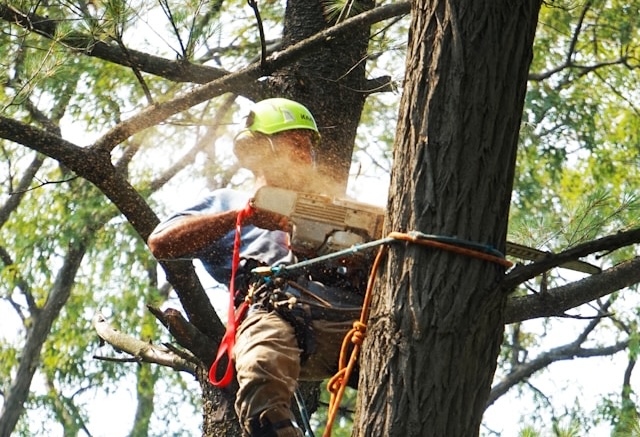 Knowing what to do immediately after storm damage can protect your property, reduce liability, and prevent injuries. This guide explains how storm-damaged trees affect Columbus homeowners, what steps to take after a storm, when emergency tree removal is required, and why professional services are essential for safe and effective cleanup. Why Storm Damage Is a Serious Tree Risk in ColumbusColumbus experiences a wide range of severe weather conditions throughout the year. Thunderstorms, high winds, ice storms, and heavy snow can weaken trees that may have already been stressed by age, disease, or soil conditions. Trees with compromised root systems or structural weaknesses are especially vulnerable during storms. Once damaged, trees may not fail immediately. A cracked trunk or split limb can fall days later, creating delayed but serious hazards. Emergency tree removal addresses these urgent risks before they cause further damage or injury. Common Types of Storm-Damaged TreesNot all storm damage looks the same. Some hazards are obvious, while others require professional evaluation. Uprooted TreesStrong winds can loosen root systems, especially in saturated soil. A partially uprooted tree may still be standing but is unstable and dangerous. Split or Cracked TrunksInternal cracks weaken the tree’s structure. These trees can fail suddenly, even in calm weather. Hanging or Broken LimbsLarge branches suspended above homes, driveways, or sidewalks are among the most dangerous storm-related tree issues. Leaning TreesA tree that suddenly leans after a storm indicates root failure or soil movement and may collapse without warning. Trees on Power LinesTrees entangled with electrical lines present extreme risk and require specialized handling and coordination. Immediate Steps to Take After Storm DamageAfter a storm passes, safety should be your first priority. Acting too quickly or attempting DIY cleanup can increase the risk of injury. 1. Stay Clear of Damaged TreesAvoid standing under leaning trees or hanging limbs. Do not attempt to cut or move large debris on your own. 2. Watch for Power Line HazardsIf a tree or limb is touching power lines, keep everyone away and treat the area as extremely dangerous. 3. Assess Visible Damage from a DistanceLook for cracks, splits, hanging limbs, or trees resting on structures. Take note of anything that appears unstable. 4. Document the DamagePhotos and notes can be helpful for insurance purposes and professional assessments. 5. Call an Emergency Tree ServiceWhen a tree poses immediate danger, professional emergency tree removal is the safest solution. When Emergency Tree Removal Is NecessaryNot all storm-damaged trees require immediate removal, but certain situations demand urgent action.
If a tree threatens people, buildings, vehicles, or utilities, emergency tree removal is the safest course of action. Why DIY Tree Removal Is Dangerous After StormsStorm-damaged trees behave unpredictably. Internal tension, unstable root systems, and suspended limbs create conditions where even experienced homeowners can be seriously injured. Common risks of DIY storm cleanup include:
Professional tree crews are trained to assess load, tension, and fall paths using specialized equipment and safety protocols. How Professional Emergency Tree Removal WorksEmergency tree service professionals follow a structured process to ensure safety and efficiency. Rapid On-Site AssessmentTree experts evaluate the extent of damage, identify hazards, and determine whether removal or stabilization is required. Safety PlanningCrews establish secure work zones, plan cutting sequences, and identify escape paths. Specialized EquipmentCranes, bucket trucks, rigging systems, and chainsaws designed for storm response allow safe removal in high-risk situations. Controlled RemovalTrees and limbs are removed in sections to prevent further damage to property or surrounding trees. Cleanup and Debris RemovalProfessional services remove logs, branches, and debris, restoring safe access to the property. Emergency Tree Removal vs. Tree TrimmingIn some cases, storm-damaged trees can be saved through strategic trimming. In others, removal is unavoidable. Emergency tree trimming may be sufficient when:
Emergency tree removal is necessary when:
Professional arborists determine the safest and most cost-effective solution. The Importance of Licensed and Insured Tree ServicesEmergency tree removal is hazardous work. Hiring a licensed and insured tree service protects homeowners from liability and ensures professional standards are met. Licensed and insured providers offer:
Choosing an unqualified provider can lead to costly mistakes and legal exposure. Storm Damage, Liability, and Homeowner ResponsibilityProperty owners are generally responsible for addressing hazardous trees on their property. If a damaged tree falls and causes injury or damage, homeowners may be held liable if they failed to act. Prompt emergency tree service:
Waiting too long after visible storm damage increases both safety and legal risks. Preventing Future Storm-Related Tree EmergenciesWhile storms cannot be prevented, proactive tree care reduces the likelihood of emergency situations. Regular Tree TrimmingRemoving dead or overextended branches reduces wind resistance and breakage. Tree Health InspectionsIdentifying disease, decay, or structural weakness early allows corrective action. Proper Tree PlacementAvoid planting large trees too close to homes, driveways, or power lines. Storm PreparednessAddressing weak trees before storm season reduces emergency risks. Preventative care is often far less expensive than emergency removal after a storm. Why Fast Response Matters in Emergency Tree RemovalStorm damage often affects entire neighborhoods at once. Delays in response can allow hazards to worsen or cause additional damage. Rapid emergency tree service provides:
Having a local Columbus-based tree service ready to respond makes a significant difference when emergencies arise. Choosing the Right Emergency Tree Service in ColumbusWhen selecting an emergency tree service, homeowners should prioritize:
A reliable emergency tree service combines speed, safety, and ethical business practices. Final Thoughts: Stay Safe After the StormStorm-damaged trees are not just an inconvenience—they are a serious safety hazard. In Columbus, where storms can be intense and unpredictable, knowing how to respond quickly and responsibly is essential. Emergency tree removal protects lives, property, and peace of mind. By recognizing danger signs, avoiding DIY risks, and calling experienced professionals, homeowners can navigate storm aftermaths safely and effectively. Acting promptly after storm damage isn’t just about cleanup—it’s about protecting what matters most. |
|